24/7 Field Service Engineer Hotline: +1-800-744-5477 UDI Look-up · Premier / Vizient / HealthTrust GPO Contract Support
Global dental equipment service map

Clinical Applications

Where Philips Healthcare runs dental programs worldwide

Regional readiness by regulatory and service market

One buyer may need FDA records, another CE marked under MDR 2017/745 documentation, and another local service coverage for a fast-growing clinic network. Discuss installed-base expectations, IFU language packs, and documentation style by region. Availability and cleared indications remain reference-specific—confirm the current labeling before Cap-X award.

Dental service organizations, hospital oral surgery programs, and academic clinics supported with FDA-cleared reference review where applicable, GPO pricing conversations, and UDI asset traceability.

CE marked under MDR 2017/745 documentation expectations, multilingual IFU planning, GDPR-aware digital workflow notes, and service coverage for urban clinic clusters.

UKCA transition planning, NHS procurement language, preventive maintenance records, and training notes for dental hospital departments.

PMDA-oriented distribution support, compact operatory planning, and careful documentation for imaging and scanner workflow adoption.

NMPA documentation coordination, tiered clinic expansion support, and installation sequencing for multi-site dental groups.

Regional importer coordination, English-language training files, and service escalation planning across Singapore, Malaysia, Thailand, Indonesia, Vietnam, and the Philippines.
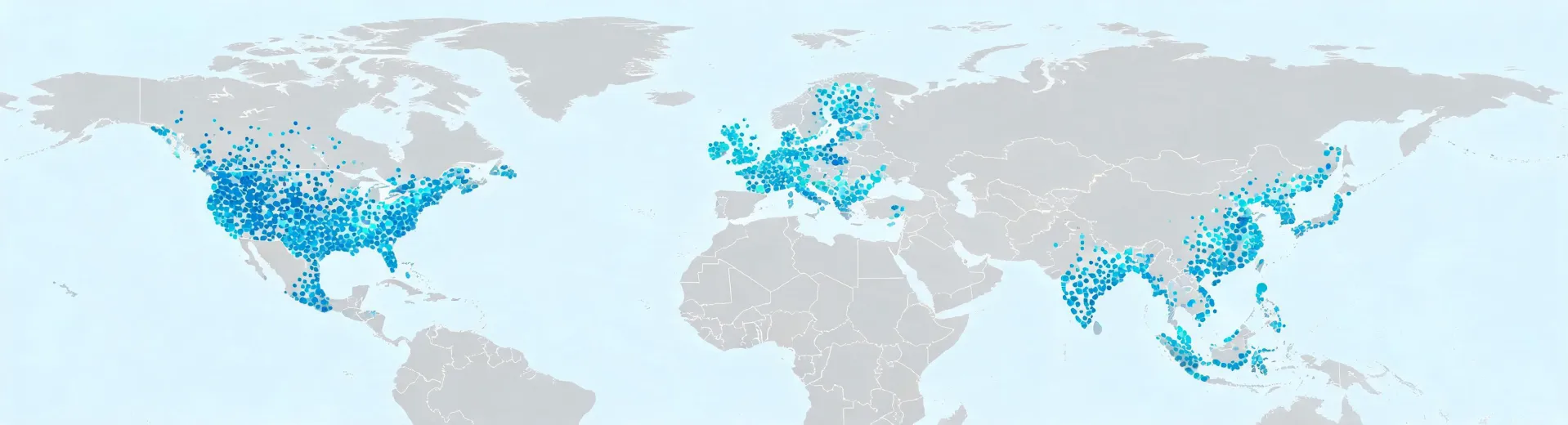
Planning mix by service request volume (internal Q1 2025 cohort)

Shares below reflect Philips Healthcare planning inquiries for Dental & Oral Health Equipment from January–March 2025 (n=186 active RFPs), not global market share. Use them to size documentation and FSE coverage assumptions—not as competitive ranking claims.

  1. US
    60%
  2. EU
    22%
  3. APAC
    14%
  4. RoW
    4%

Reference planning specs

Dental imaging and infection-control parameters buyers usually request

Values are planning envelopes for configuration talks. Final cleared performance, DICOM interoperability claims, and sterilization validation remain label- and lot-specific.

ParameterPlanning envelopeWhy it matters in oral health programs
Image resolution / pixel pitch85–100 µm class sensors (configuration-dependent)Affects endodontic and implant planning fidelity when paired with DICOM archive paths
Intraoral scanner captureTypically 2–18 MHz transducer families on related ultrasound carts; optical scanners quote mesh density separatelySets chairside milling and lab handoff expectations
Sterility assurance level (SAL)SAL 10^-6 targets for validated autoclave cyclesRequired language for hospital dentistry infection-control committees
Sterilization chamber volumeAbout 85 L / 3 cu ft class tabletop units in many clinic packagesLimits instrument tray batching and ASC turnover math
Electromagnetic compatibility (EMC)IEC 60601-1-2 essential-performance review during installProtects imaging and monitoring neighbors in shared dental hospital floors

Selection trade-off

Single-use disposables vs. reusable instruments in dental sterilization

Philips Healthcare does not force one infection-control philosophy. Programs choose based on Spaulding classification, AAMI ST91 / ISO 17664 reprocessing capacity, and turnover pressure.

Single-use disposables

Reduce cross-contamination risk and reprocessing labor; simplify liability when SAL validation or rapid ASC turnover outweighs waste goals. Best when autoclave capacity, staffing, or tray inventory cannot keep pace with chair utilization.

Reusable reprocessed instruments

Lower total cost of ownership and waste footprint when steam sterilization, biocompatibility testing records, and reprocessing validation are maintained. Best for hospital dentistry and academic clinics with mature sterile processing departments.

Looking to deploy in a new region?

Philips Healthcare can support FDA, CE-MDR, UKCA, PMDA, NMPA, and ASEAN market planning conversations: who services it, what files are needed, how users are trained, and which system touchpoints affect daily throughput.